Financial · Crop Management
The Economics of Commercial Cassava Farming: A Cost-Benefit Analysis
AgriShare · Sep 24, 2026 · 5 min read
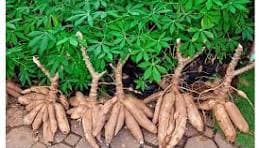
Investing in commercial cassava production offers immense potential for farmers, especially when value-addition techniques like milling into high-quality flour are employed. While older financial models showcased decent returns, recent economic shifts and inflation have fundamentally altered both the cost structure and revenue potential of this hardy crop. By analyzing a standard one-acre farm, we can paint a realistic, updated picture of what a farmer might expect today when transitioning from field planting to final processing.
Initial Capital and Input Costs Starting a successful cassava farm requires securing quality planting materials and basic farm tools. Currently, a farmer needs about eight bags of disease-resistant cassava cuttings per acre. With current market prices hovering around UGX 40,000 per bag, this initial seed investment comes to roughly UGX 320,000. In addition to the cuttings, acquiring four basic implements such as hoes and pangas at UGX 15,000 each adds UGX 60,000 to the budget. Finally, to prepare for packaging the processed yield down the line, purchasing thirty durable bags at UGX 2,000 each will cost an estimated UGX 60,000. Combined, the initial material input requires a capital injection of approximately UGX 440,000.